


Scenario-Based Learning

Bring learning to life with realistic scenarios that build skills, confidence and better decision-making.

At First Media, we create engaging scenario-based elearning that puts your people at the centre of the action. Through realistic situations, interactive storytelling and meaningful choices, we help learners practise their skills, explore consequences and develop the confidence to make better decisions in the real world.

From leadership and customer service to compliance, healthcare and equality and diversity, our bespoke scenario-based learning solutions transform traditional training into memorable, practical learning experiences.

Start your project

Scenario Hero Panel

Why choose scenario-based learning?

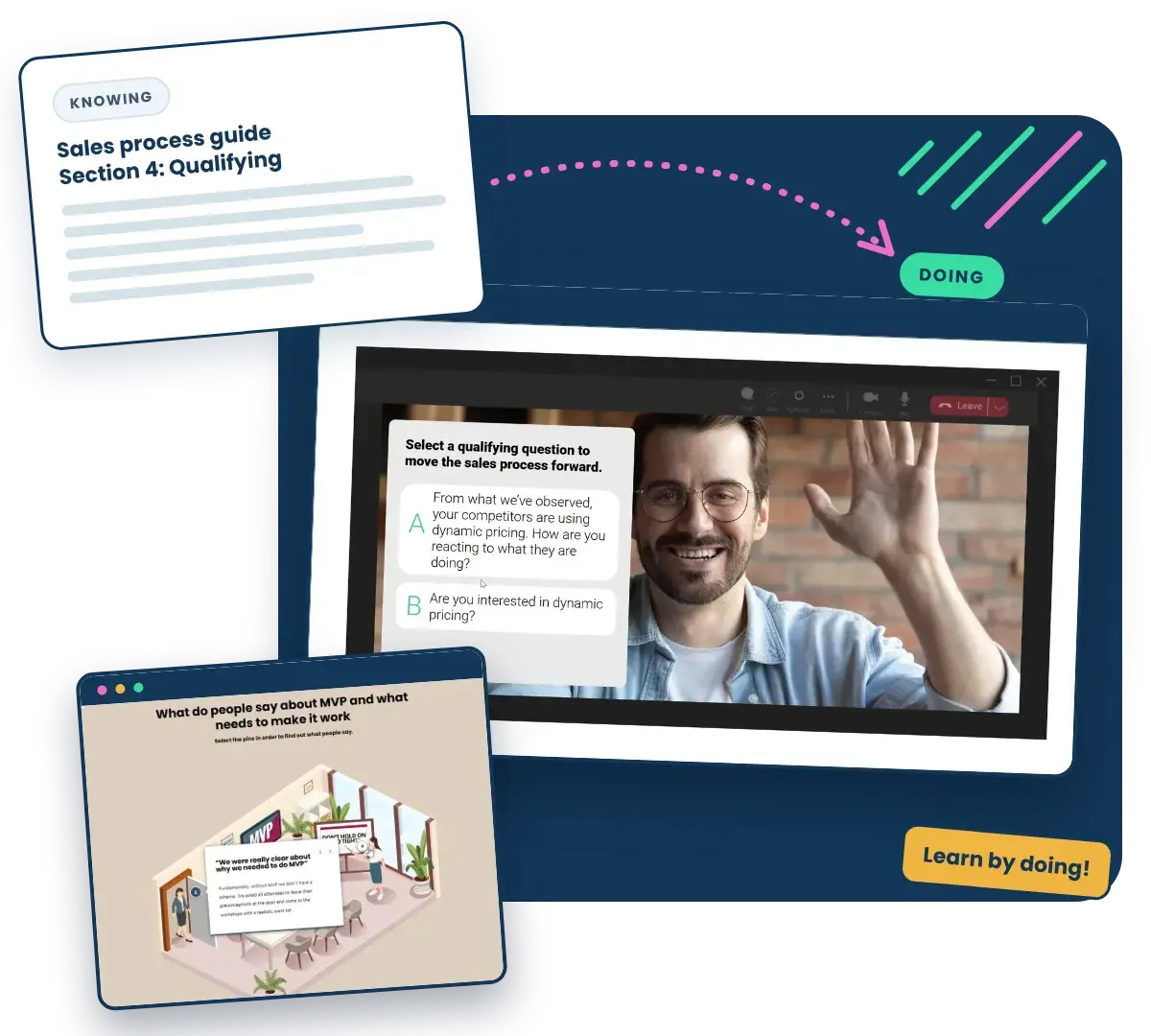
Knowing what to do and actually doing it are two very different things.

Traditional training can be useful for communicating information, policies and procedures. But when you want people to develop judgement, improve performance or change behaviour, they need opportunities to apply their knowledge.

Scenario-based learning bridges the gap between knowing and doing.

By recreating realistic workplace situations, learners can explore challenges, make decisions and discover the consequences of different actions, all within a safe and supportive learning environment.

Rather than simply being told what the right answer is, learners are encouraged to think critically, solve problems and learn through experience.

Let's talk about your training needs →

Why Scenario Graphic
The scenario gallery

So many ways to tell a story.

Hotspots, comic strips, character cards, filmed interviews and more. Hover to pause and take a closer look.

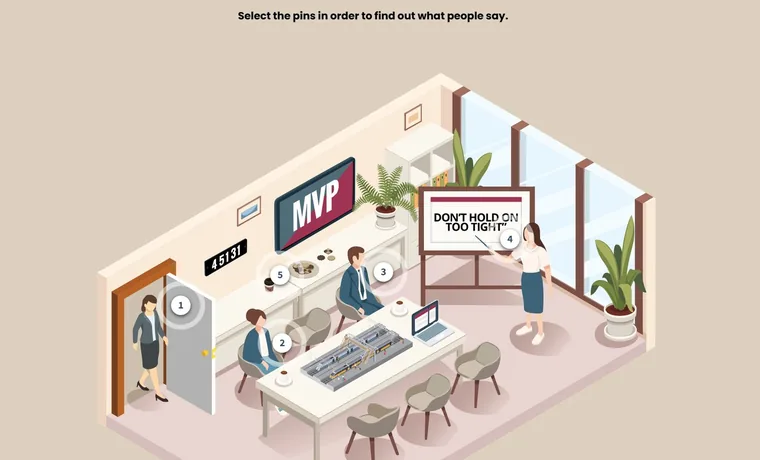
Isometric office illustration with numbered pins to select in order
Explore-the-scene hotspots
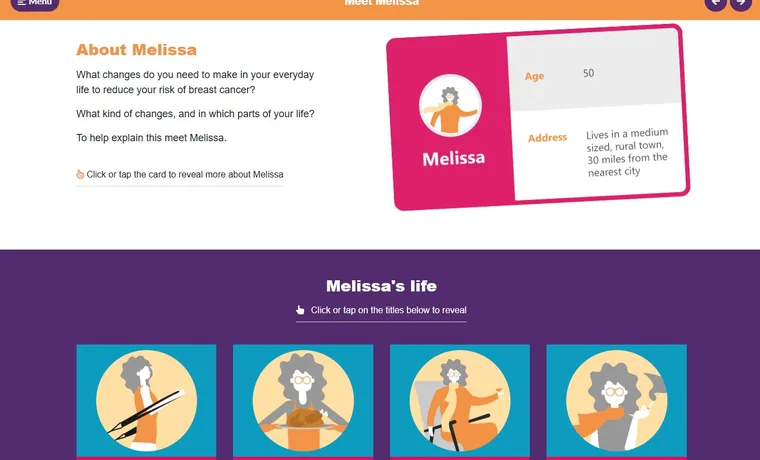
Breast Cancer UK module introducing Melissa with a character card and life topics to reveal
Meet the character
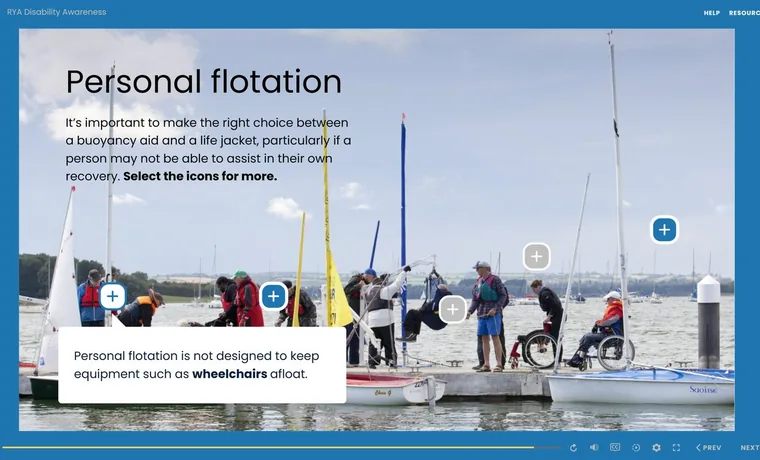
RYA Disability Awareness: sailors on a pontoon with plus-icon hotspots
Photo hotspots · RYA
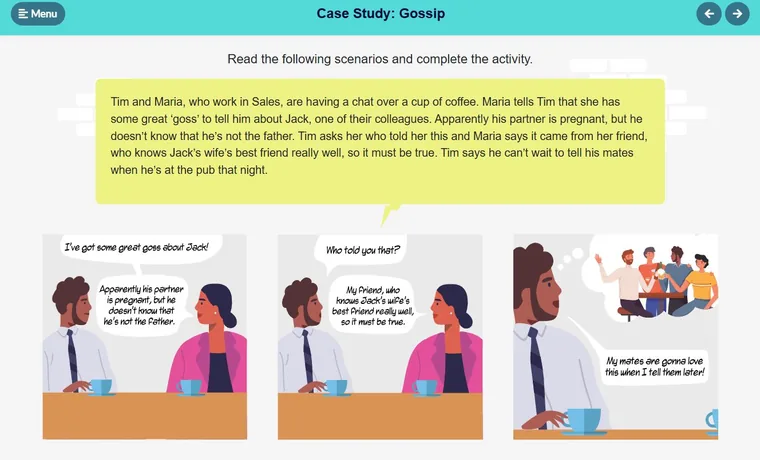
Three comic panels of two colleagues gossiping over coffee
Comic-strip scenario
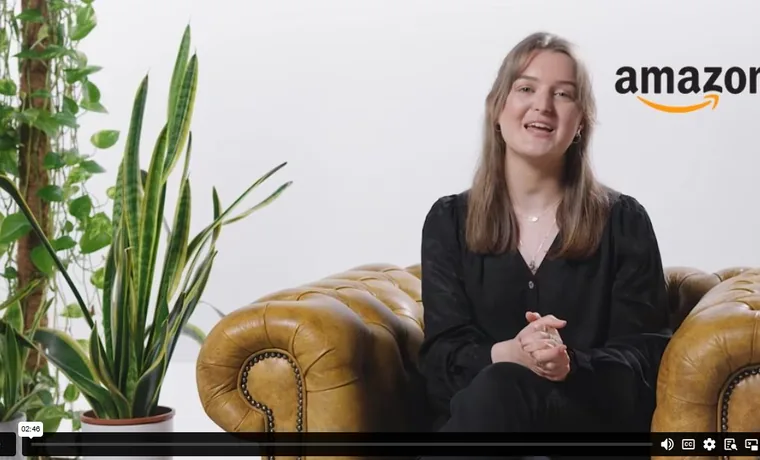
Amazon masterclass video with a presenter seated on a leather sofa
Presenter-led video · Amazon
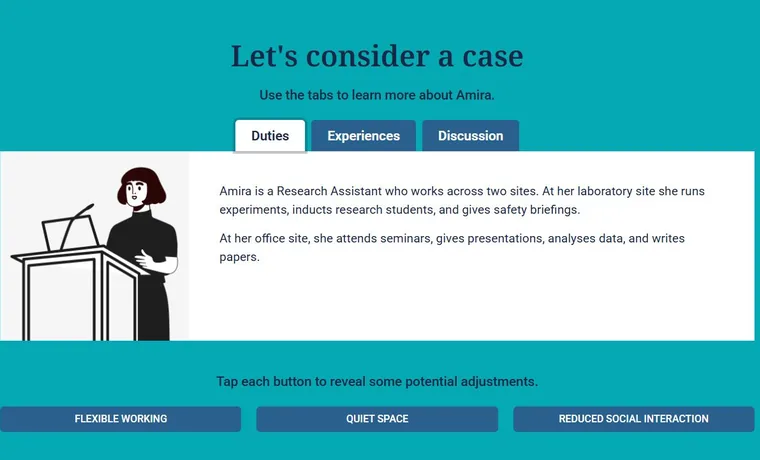
Case study of Amira, a research assistant, with tabs for duties, experiences and discussion
Case-based tabs
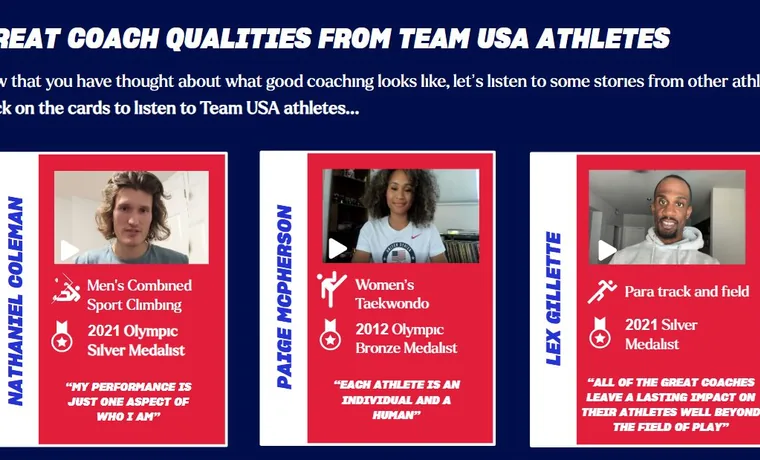
Clickable cards with video stories from Team USA athletes about great coaching
Athlete story cards
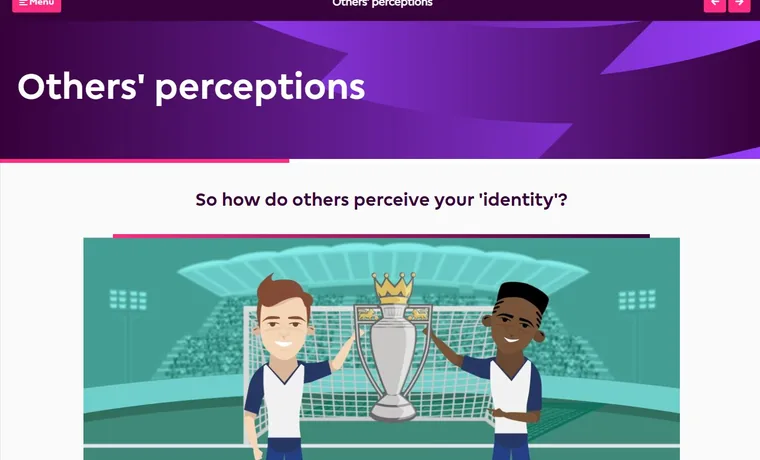
Animated footballers holding a trophy in a stadium, asking how others perceive your identity
Animated characters
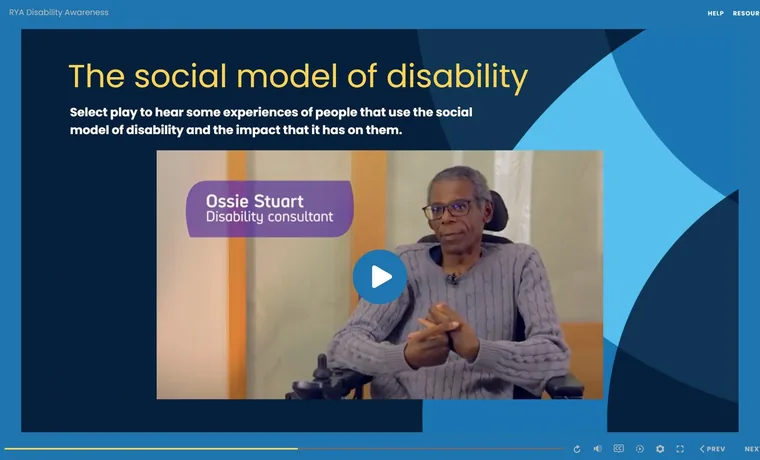
RYA module: video interview with a disability consultant about the social model of disability
Lived-experience interviews · RYA
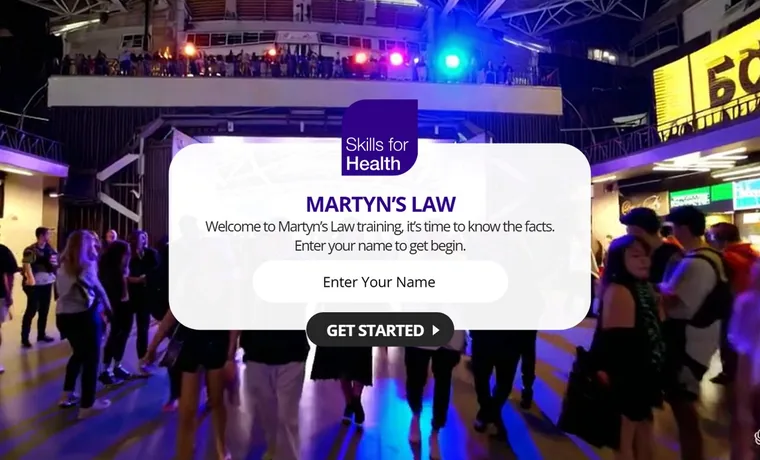
Martyn’s Law training welcome screen asking the learner to enter their name
Personalised intro · Skills for Health
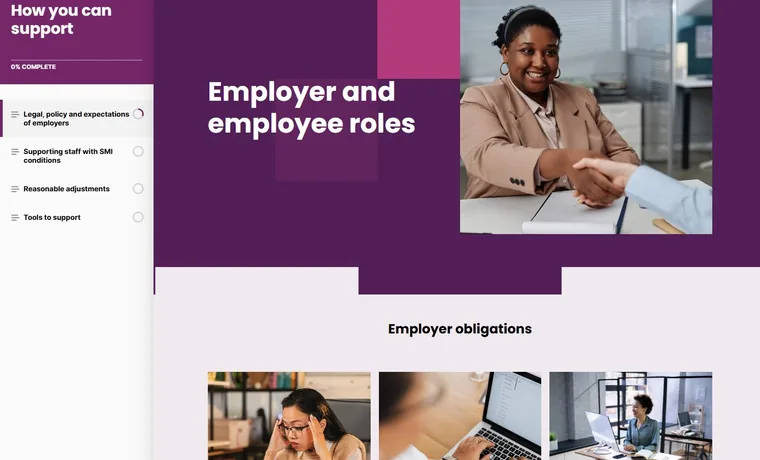
Module page on employer and employee roles with a progress menu and photos
Self-paced module
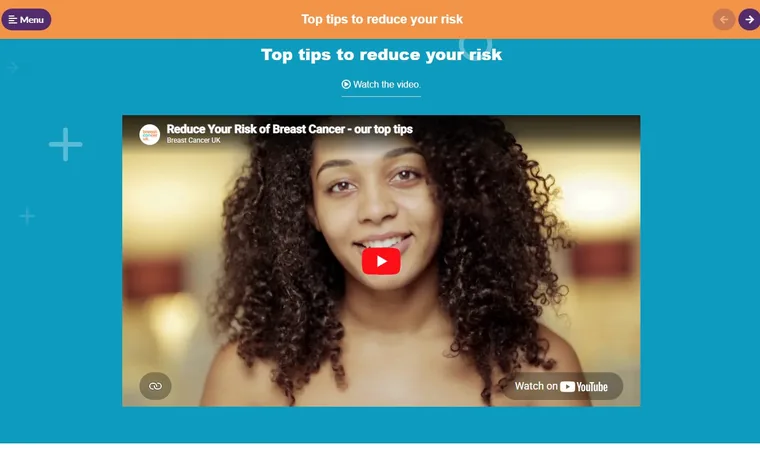
Breast Cancer UK top tips video to reduce your risk
Awareness video · Breast Cancer UK

Our scenario-based training solutions are designed to:

Build Practical Skills

Build practical skills

Give learners opportunities to apply their knowledge to realistic situations and challenges.

Improve Decision Making

Improve decision-making

Help people evaluate options, understand consequences and make informed choices.

Encouraging Behaviour Change

Encourage behaviour change

Challenge assumptions, develop empathy and reinforce positive workplace behaviours.


Boost Learner Engagement

Boost learner engagement

Use storytelling, characters and interactive activities to make learning more relevant and memorable.

Safe space to Practice

Provide a safe space to practice

Allow learners to experiment, make mistakes and learn from feedback without real-world consequences.

Knowledge Retention

Support knowledge retention

Connect learning to recognisable experiences, making it easier to recall and apply when it matters.

Whether you’re developing a short compliance module or a comprehensive digital learning programme, we’ll help you create realistic experiences that prepare people for the challenges they face.

Talk to us about your project

Our scenario-based learning solutions

Every organisation, audience and learning challenge is different. That’s why we take a bespoke approach to scenario-based eLearning, combining creative storytelling with instructional design and the right digital technologies.

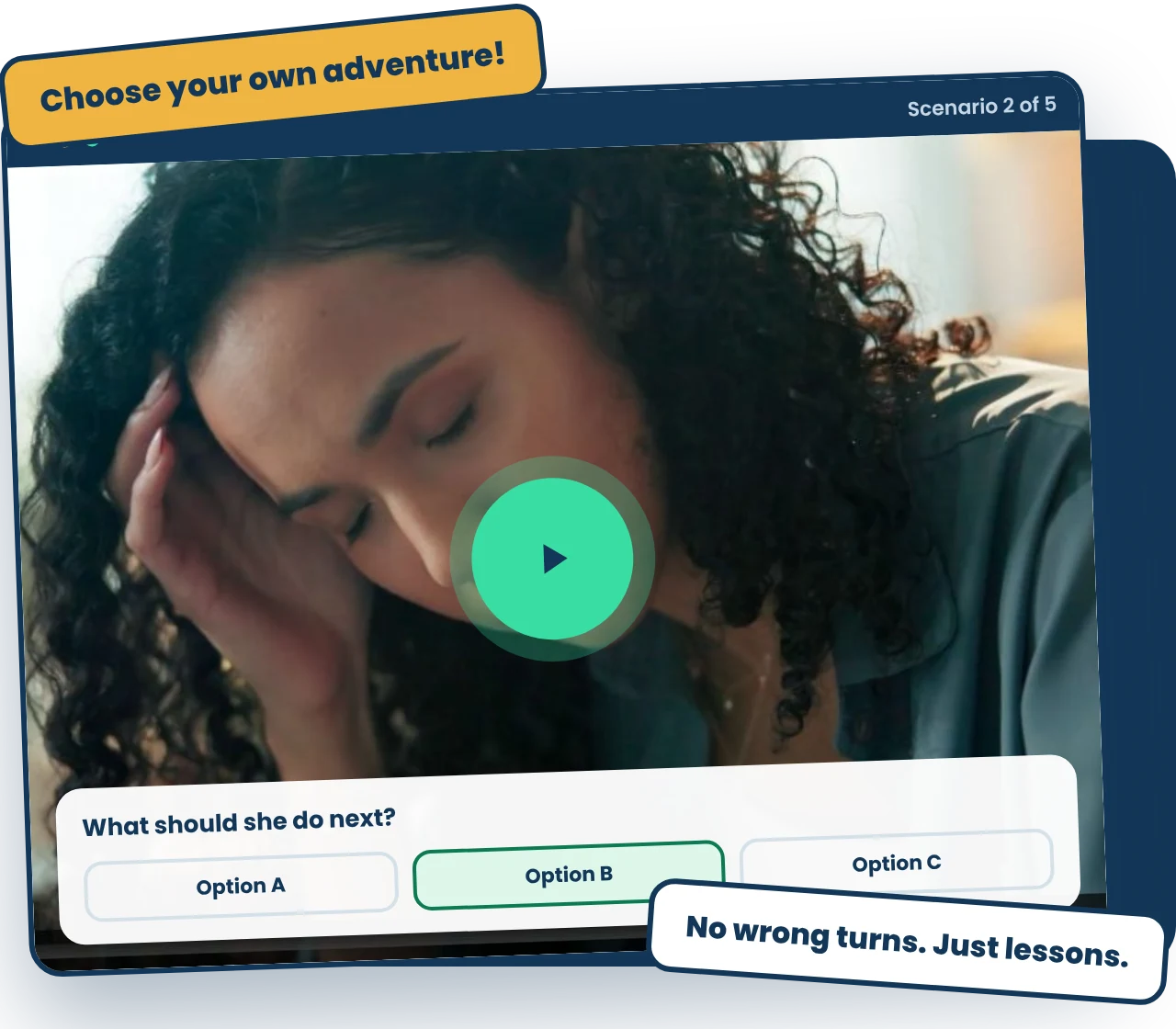
Branching scenarios

Give learners control over how their story unfolds.

Branching scenarios allow learners to make choices that influence what happens next. Each decision can lead to a different response, challenge or outcome, helping learners understand the impact of their actions.

They’re particularly useful for developing problem-solving, communication, leadership and compliance-related decision-making skills.

  • Problem-solving
  • Communication
  • Leadership
  • Compliance

Interactive video scenarios

Bring real-world situations to life through film.

Using actors, authentic workplace environments and carefully scripted situations, we create video-based learning that immerses people in realistic challenges.

Learners can be asked to evaluate situations, choose how to respond and reflect on the consequences of different decisions.

Our interactive training videos combine engaging visual storytelling with purposeful learning activities.

  • Filmed drama
  • Actors
  • Decision points
  • Reflection

Illustrated and animated scenarios

Sometimes the best way to explain a complex or sensitive situation is through illustration and animation.

Our creative team develops bespoke characters, environments and visual narratives that help learners connect with real-world challenges.

Illustrated scenarios work particularly well for topics such as equality and diversity, safeguarding, workplace conduct and compliance, where learners need to consider different perspectives and behaviours.

  • Equality & diversity
  • Safeguarding
  • Workplace conduct
  • Compliance

Role-play and conversation simulations

Help your people prepare for conversations that matter.

From managing difficult customer interactions to providing constructive feedback or addressing inappropriate behaviour, conversation-based scenarios give learners opportunities to explore different approaches.

These simulations can help develop communication, empathy, conflict resolution, management and customer service skills.

  • Communication
  • Empathy
  • Conflict resolution
  • Customer service

Gamified scenario-based learning

Combine storytelling, decision-making and engaging challenges to make learning more motivating.

Our gamified elearning solutions can incorporate challenges, feedback, points, progress indicators and other game-based elements.

These techniques can make learning especially engaging when developing problem-solving skills or encouraging learners to explore multiple outcomes.

  • Challenges
  • Points & progress
  • Timed tasks
  • Feedback

Bite-sized learning scenarios

Scenario-based training doesn’t need to mean long, complex courses.

Short, focused scenarios can help learners practise one specific decision or skill in just a few minutes.

Our microlearning solutions can incorporate realistic challenges, reflection activities and practical feedback to reinforce learning at the point of need.

  • Microlearning
  • Point of need
  • Quick practice
  • Mobile
The evidence

Learning by doing really works.

Decades of research show that putting learners in realistic, interactive situations beats passive training. Our own projects show the same.

Research 20% more confident

After simulation-based training, learners felt 20% more confident they could apply what they’d learned than those trained by other methods.

Sitzmann (2011), Personnel Psychology: meta-analysis of 65 studies
Research 14% better practical skills

Procedural knowledge, knowing how to actually do the task, was 14% higher. Retention was 9% higher too.

Sitzmann (2011), Personnel Psychology: meta-analysis of 65 studies
Our results 90%+ would recommend it

Over 90% of Sabre learners said they would recommend the eLearning we created.

Sabre: learner feedback survey
Our results 95% understood the new brand

Our micro-learning for Sabre’s global audience helped 95% of learners understand the new brand.

Sabre: global brand micro-learning

Scenario-based learning in action: client case studies

View all our case studies
How we work

Shaping your scenario-based learning experience

Great scenario-based learning starts with a clear understanding of what learners need to do differently. Our team combines expert instructional design with creative storytelling, video, animation and interactive development to produce learning experiences that feel authentic and purposeful.

STEP 01

We start by understanding your audience, training challenges and organisational objectives.

  • Identify the real-world situations your learners face
  • Pinpoint the decisions they need to make and the skills or behaviours you want to develop
  • Work with your subject matter experts so scenarios reflect the realities of your workplace
STEP 02

Our instructional designers and creative team shape the learning experience.

  • Map out scenarios, characters, decision points, outcomes and feedback, so every interaction supports a learning objective
  • Recommend the right creative approach: video, illustration, animation, branching interactions or a mix
  • Review scripts, storyboards and proposed designs with you before development begins
STEP 03

With the journey agreed, our developers and production team bring your scenarios to life.

  • Film actors, create bespoke illustrations, build decision pathways or produce immersive digital environments
  • Share prototypes, gather your feedback and refine the experience before delivery
  • Deliver for desktop, tablet and mobile through a suitable learning platform, with tracking and reporting where required

Scenario-based training for every sector

Scenario-based learning can be particularly effective when people need to apply knowledge, exercise judgement or respond appropriately to challenging situations.

Leadership Banner

Leadership and management

Handling difficult conversations, giving feedback, managing performance and leading teams through change.

Explore leadership and management training →

Health And Safety Scenarios

Health and safety

Identifying hazards, evaluating risks and responding appropriately to workplace incidents.

Explore health and safety training →

eLearning for Equality and Diversity

Equality, diversity and inclusion

Recognising bias, challenging discrimination and encouraging respectful, inclusive behaviour.

Explore equality, diversity and inclusion training →

Sector Health

Healthcare and social care

Understanding patient journeys, developing empathy, making appropriate decisions and applying best practices.

Explore healthcare and social care training →

Sales Banner

Sales and customer service

Handling objections, responding to complaints, developing consultative selling skills and improving customer interactions.

Explore sales and customer service training →

Financial Compliance

Compliance and financial services

Recognising risks, identifying inappropriate conduct, managing conflicts of interest and making decisions in regulated environments.

Explore compliance and financial services training →

Onboarding Banner

Onboarding and professional development

Helping new employees understand how to apply organisational values, policies and procedures in everyday situations.

Explore onboarding & professional development training →

We do it all in-house

Great scenario-based learning depends on getting every detail right, from the first workshop to the final launch. Our instructional designers, scriptwriters, illustrators, animators, film crew and developers work side by side, so your project stays joined-up, consistent and focused on what your learners need to do differently.

Get in touch →

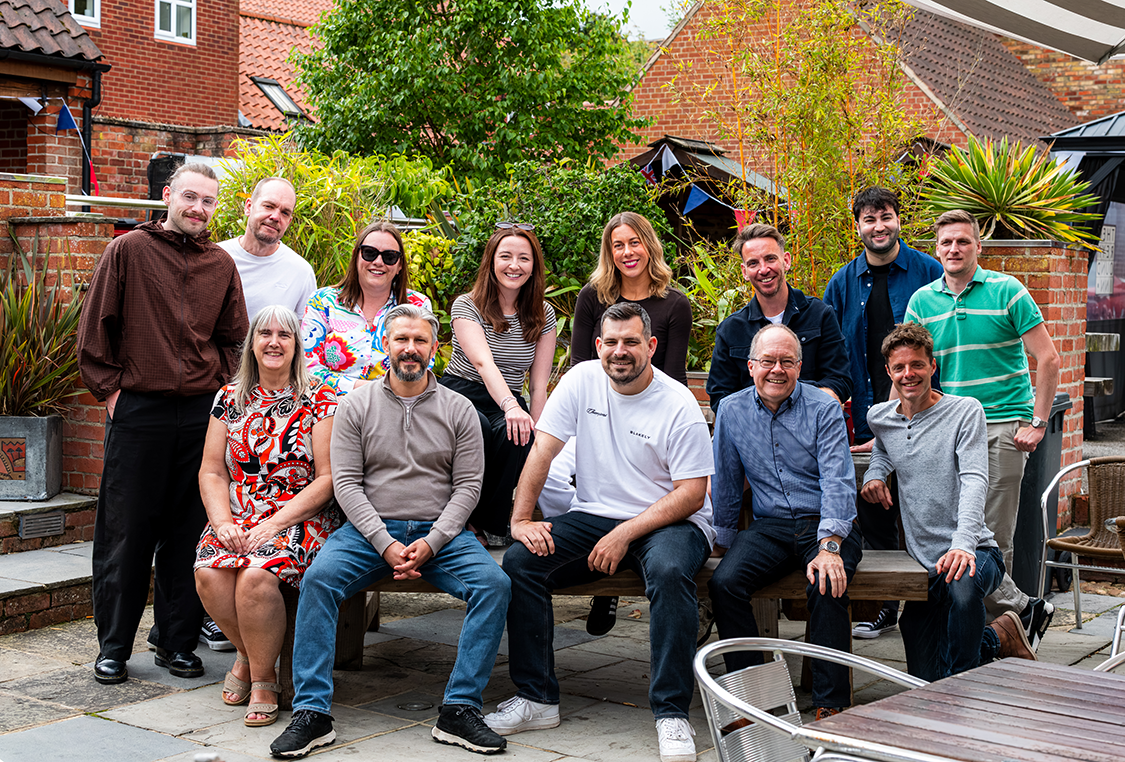
First Media Team Photo

Frequently Asked Questions

Scenario-based learning is an instructional approach that uses realistic situations to help people develop and apply knowledge, skills and behaviours.

Learners are presented with a situation, problem or challenge and encouraged to consider how they would respond. Depending on the design, they may make choices, explore different outcomes and receive feedback.

It's particularly useful for developing practical judgement, communication and problem-solving skills.

Traditional elearning often focuses on presenting information and checking that learners can remember it.

Scenario-based learning focuses more on applying knowledge. Instead of simply answering questions about a policy or process, learners explore situations in which they need to use that knowledge.

Both approaches have their place, and scenario-based activities can be incorporated into a wider bespoke eLearning programme.

Branching scenario elearning is a type of interactive training where learners make decisions that influence how a situation develops.

Different choices can lead to different responses, challenges and outcomes, creating personalised learning pathways.

Branching scenarios are particularly useful when learners need to understand the consequences of their actions or practise responding to challenging situations.

Scenario-based learning is particularly effective for training that involves decision-making, interpersonal skills, problem-solving or behavioural change.

Common applications include leadership development, customer service, sales, compliance, health and safety, safeguarding, equality and diversity, and healthcare training.

It can also be used to support onboarding and help employees understand how organisational policies and values apply in practice.

Yes. Video can be an excellent way to create realistic and emotionally engaging scenarios.

Our team can produce bespoke video content featuring actors, workplace environments and scripted situations that reflect the challenges learners may encounter.

Videos can be combined with interactive questions, decision points and feedback to encourage active participation.

Absolutely! Scenario-based learning is a valuable approach for helping employees understand how compliance requirements apply to real situations.

Instead of simply memorising policies, learners can practise recognising potential risks, identifying appropriate actions and understanding the consequences of non-compliance.

This approach is particularly useful for topics such as financial crime prevention, data protection, workplace conduct, safeguarding and health and safety.

Yes. Our scenario-based learning solutions are bespoke, so we can develop situations, characters, environments and decisions that reflect your organisation and the challenges your learners face.

We'll work with your team and subject matter experts to ensure the content is relevant, realistic and aligned with your training objectives.

Yes. We can develop responsive scenario-based eLearning for desktops, tablets and smartphones.

We can also create content compatible with your learning management system, using appropriate delivery standards and tracking options.

Requirements such as SCORM compatibility, completion reporting and assessment data can be considered during the initial design process.

We start by establishing what successful learning looks like for your organisation.

Depending on the project, effectiveness can be evaluated through scenario decisions, assessment results, course completion, learner feedback and follow-up workplace performance measures.

For example, a customer service training programme might evaluate how learners handle simulated complaints and whether this is followed by improvements in real customer interactions.

Our goal is to help you measure meaningful learning outcomes, not simply whether somebody has completed a course.

The cost depends on the complexity of the scenarios, number of decision pathways, length of the learning experience and production requirements.

A short illustrated scenario will typically require fewer resources than a programme featuring professionally filmed interactive video and multiple branching outcomes.

At First Media, we'll discuss your requirements, learning objectives and budget before recommending the most suitable solution.

Contact our team for a consultation

Make your ideas come to life with First Media.