eLearning
09 July 2026
8 Great Interactive eLearning Examples
Interactivity is at the heart of most bespoke digital learning projects here at First Media, and here we look at some of our favourite interactive elearning examples.
Rather than creating courses that simply ask learners to read information and click through screens, we focus on building learning experiences that are active, engaging and memorable.
This means using the right mix of interaction, storytelling, visual design, video, animation, scenarios, quizzes, knowledge checks, microlearning and personalised pathways to help learners connect with the content. The aim is not to add interactivity for the sake of it, but to make learning more useful, relevant and effective.
Whether the subject is leadership, inclusion, compliance, product knowledge, software training or values-based learning, interactivity helps learners take part. It encourages them to think, respond, practise, reflect and apply what they have learned.
Below are just a few examples of interactive elearning from 25 years of bespoke content development projects here at First Media.
Interactive Leadership Learning - Financial Times
First Media worked with the Financial Times to support the development of its Board Director Programme, a substantial digital learning experience designed for a global audience.
The project involved migrating and developing content within Canvas LMS, while making the programme more engaging, scalable and accessible. Rather than simply transferring existing materials into an online format, First Media helped create a more interactive and learner-centred experience.
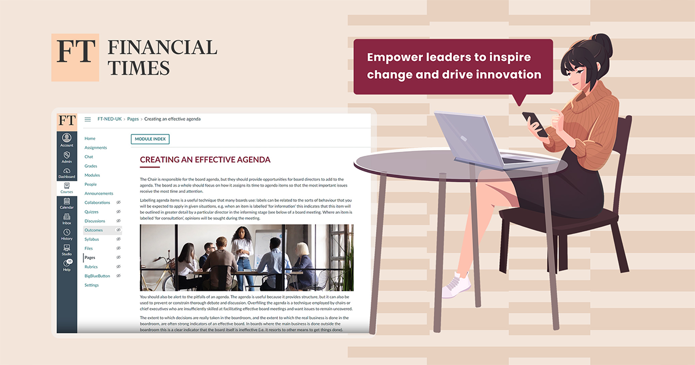
The programme included scenario-based video, custom activities, expert-led video content, forums, case studies, animation and localisation for different regions. This combination helped learners explore complex leadership themes in a more practical and engaging way.
As an example of interactive eLearning, this bespoke leadership training for the FT shows how digital learning can be used for high-level professional development. Board-level learning needs more than information delivery. It needs reflection, discussion, judgement and real-world application, all of which can be supported through carefully designed interactive content.
Personalised Equality and Diversity Learning - English Football League
First Media created “Playing for Inclusion” for the English Football League, an equality and diversity course for staff and volunteers across all 72 EFL clubs.
One of the key interactive features was personalisation. Learners could select their role and club, which helped shape their learning pathway. The course also included club colours, badges and information, making the experience feel more relevant to each learner.
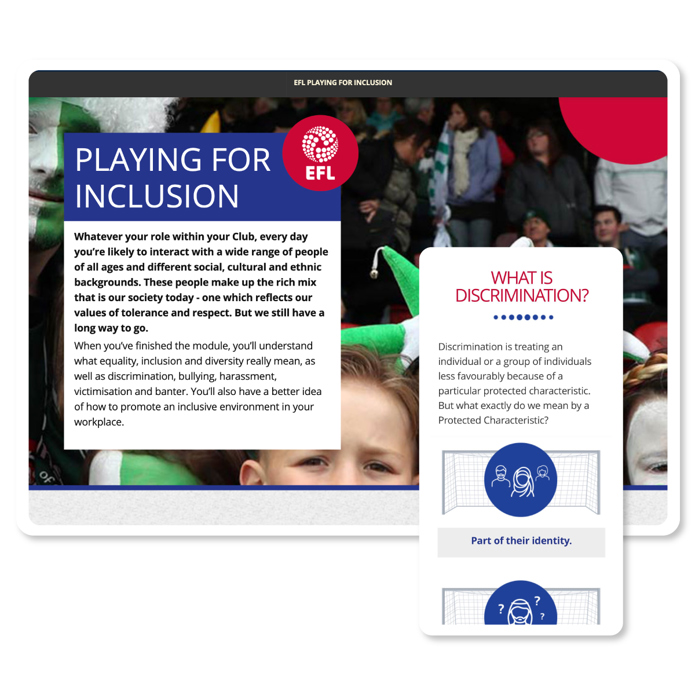
The learning used video, animation, photography, illustration, quizzes and multiple-choice questions. It was also responsive and traceable, allowing learner progress and achievements to be monitored.
This is a good example of how interactive elearning can support sensitive and important topics. Training like this equality and diversity course for the EFL need to feel relevant, thoughtful and engaging. By using personalisation and varied media, First Media helped create a course that connected with learners across a large and diverse football network.
Interactive Product Knowledge Modules - Biobest
Biobest Group needed to convert a large library of product knowledge materials into digital learning that could be used across different languages and regions.
First Media transformed more than 120 PowerPoint presentations into interactive Articulate Rise modules. These modules used a wide range of interactive elements, including flip cards, animation, drag-and-drop questions and knowledge checks.
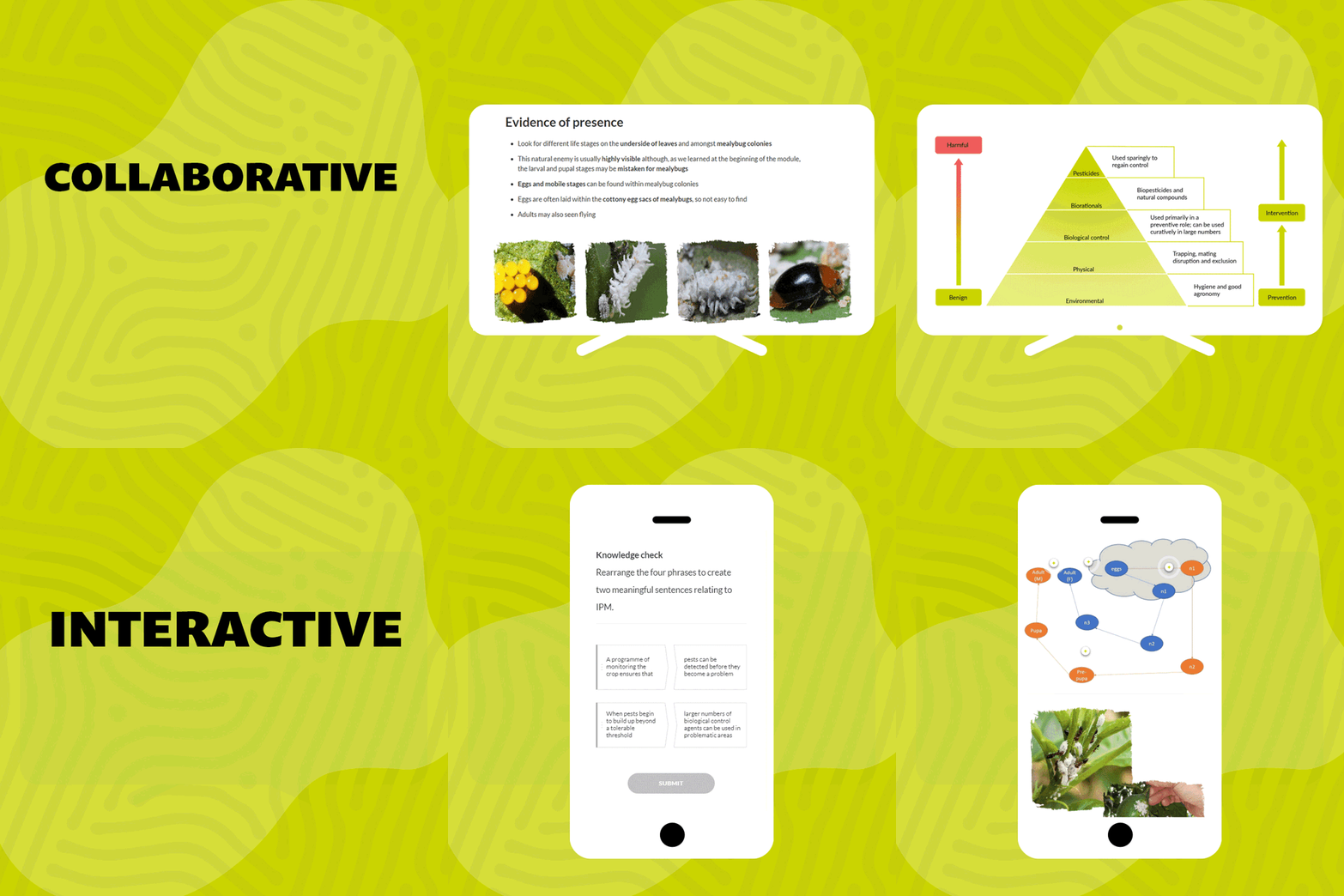
This turned detailed product information into a more engaging and structured learning experience. Instead of asking learners to work through static slides, the new modules encouraged them to interact with the content, check their understanding and absorb information in a more manageable way.
This micro-learning for Biobest is a strong example of how interactive elearning can improve product training. It can make technical or detailed information easier to navigate, easier to translate and easier for learners to revisit when needed.
Real-Life EDI Scenarios - Royal Yachting Association
The Royal Yachting Association wanted a modern and engaging equality, diversity and inclusion module.
First Media created a bright, mobile-compatible learning experience that used real-life sailing scenarios to make EDI concepts feel practical and relevant. Learners were asked to consider what they thought, reflect on different situations and identify what was right or wrong in realistic yachting contexts.

This type of interaction is especially useful for EDI learning because it moves the subject away from abstract policy and into real behaviour. Learners are not just told what inclusion means. They are encouraged to think about how it applies in their own environment.
The interactive EDI elearning for RYA is a good example of how First Media uses context-specific scenarios to make learning more meaningful. By grounding the content in the world of sailing, the module became more relevant to the audience it was designed for.
Bite-Sized Interactive Learning - The National Trust
The National Trust wanted to reinforce its core mission and values with staff and volunteers.
First Media created a series of five interactive “Spotlight” modules using Elucidat. The modules were designed to be short, accessible and engaging, helping learners understand key messages without being overwhelmed by long-form training.
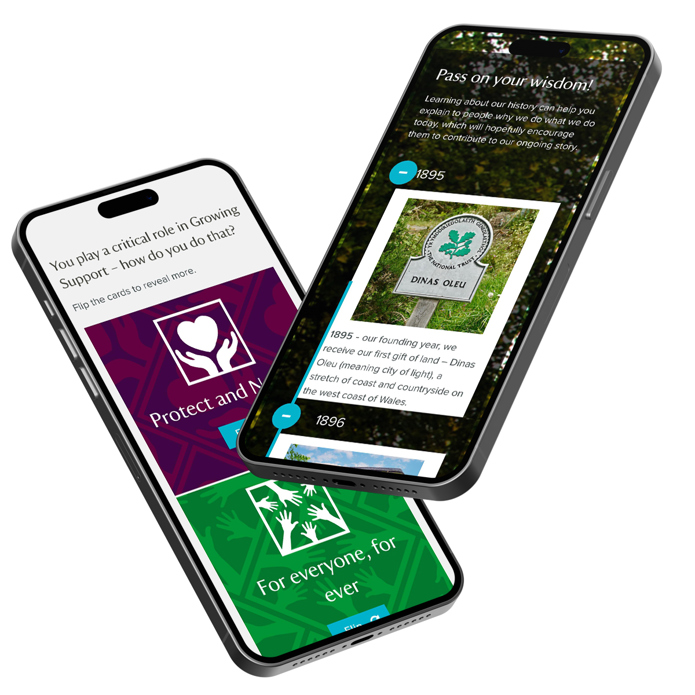
Interactive elements included timelines, flip cards and knowledge checks. These helped break the content into digestible sections and gave learners simple ways to engage with the material as they progressed.
These digital learning modules for The National Trust show how interactivity can be especially useful for values-based learning. When an organisation wants to communicate purpose, culture and expectations, interactive design can help make the experience more memorable and more personal.
Scenario-Based Learning for Behaviour Change - The FA
The FA asked First Media to create a short elearning course for young players, focused on betting rules, match-fixing and inside information.
This was a subject where simple information delivery would not have been enough. Learners needed to understand risk, consequences and decision-making in situations that could affect their careers and the integrity of the sport.
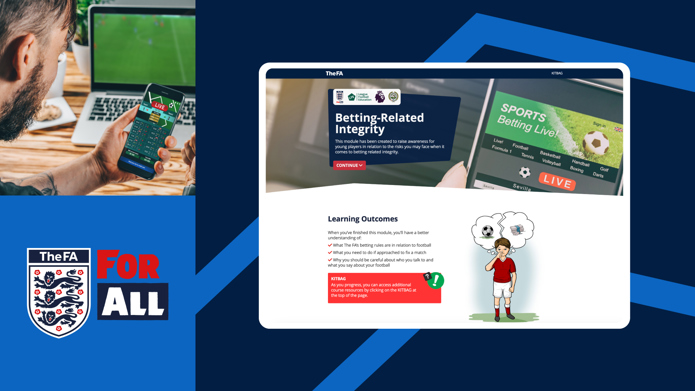
First Media used video case studies, bespoke illustration and simulated scenarios to make the learning more engaging and realistic. Young players could explore situations they might encounter and understand the impact of the choices they make.
This bespoke elearning for the FA is a great example of how interactive training can be used for behavioural change. By placing learners in realistic scenarios, the course helped them think through consequences in a safe learning environment before they faced similar issues in real life.
Interactive Software Training Videos - Zellis
Zellis needed to improve how it delivered software training. Its previous paper-based materials were difficult to update and were not engaging enough for modern users.
First Media helped Zellis create 119 short explainer videos using Synthesia. These videos were designed to guide users through specific tasks inside the system and could be embedded directly within software products.
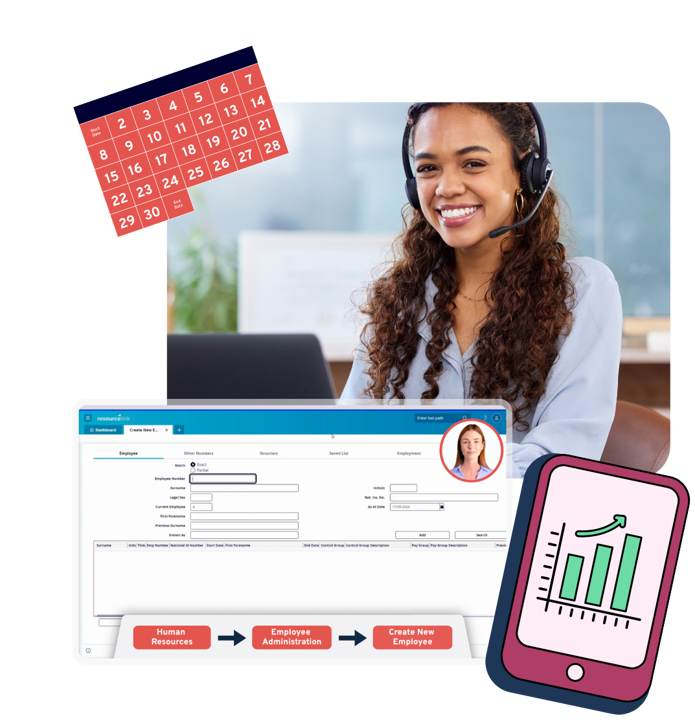
This project shows how interactive and video-led learning can support software adoption. Instead of relying on static manuals or lengthy documents, learners can access concise, task-focused support when they need it.
For software training, this approach can be highly effective. Users often need help at the point of need, not weeks before or after they use a system. Short, targeted digital content like this software training for Zellis, can make learning easier to access, easier to update and more useful in practice.
Video-Led Learning for Small Businesses - Amazon
First Media worked with Amazon to create masterclass video learning for the Amazon Small Business Accelerator.
The project involved scripting, filming and editing content for Amazon’s learning platform. First Media combined presenter-led video with bespoke motion graphics to create learning content that was clear, engaging and easy to follow.
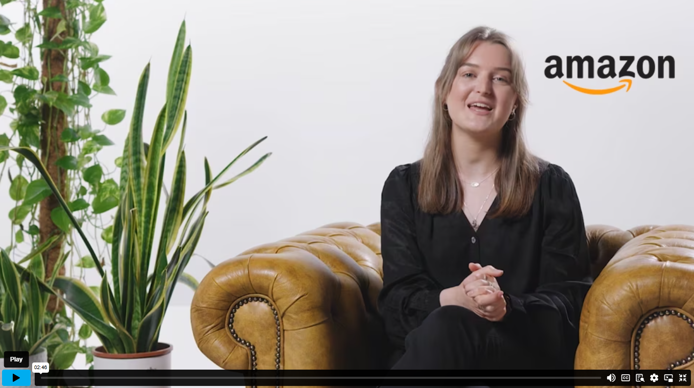
The audience was made up of small business owners, so the content needed to be practical, concise and accessible. The video-led format helped communicate key ideas quickly, while motion graphics supported understanding and kept the learning visually engaging.
This video-based learning for Amazon is a useful example of how interactive elearning does not always need to be complex to be effective. Sometimes the best approach is to use high-quality video, strong scripting, clear visuals and a format that respects the learner’s time.
Why These Examples Matter
These interactive elearning examples show that hands-on training can take many different forms. It might involve a complex leadership programme, a personalised equality and diversity course, scenario-based behavioural training, interactive product knowledge modules, short explainer videos or bite-sized values-based learning.
The right approach depends on the learners, the subject matter and the desired outcome.
For some projects, the priority is helping learners practise decisions. For others, it is making technical information easier to understand. In some cases, the focus is accessibility, translation and scale. In others, it is emotional engagement, behaviour change or confidence.
What connects all these examples is that the learner is not treated as a passive recipient. They are invited to take part.
Why Choose First Media for Interactive eLearning?
First Media has 25+ experience creating bespoke interactive elearning for well-known organisations across a wide range of sectors. This work includes projects for global brands, professional bodies, charities, membership organisations, sports bodies, technology companies and major employers.
Our breadth of bespoke elearning experience means we understand that no two training projects are the same. A course for young footballers requires a very different tone and design approach from a board director programme. Product knowledge modules for an international business need a different structure from values-based learning for staff and volunteers. EDI training for a sporting body needs to feel different from software training embedded inside a digital platform.
First Media’s strength lies in combining creative production with learning design. The team here can bring together video, animation, illustration, interactive design, microlearning, gamification, scenarios, quizzes, knowledge checks and platform expertise to create learning that feels polished, purposeful and engaging.
If you’re looking for an interactive elearning provider, we’re a great choice because we do much more than turn content into online modules. We create bespoke digital learning experiences designed around the audience, the message and the outcome.
If your goal is to make training more lively, more memorable and more useful, our interactive elearning is one of the best ways to achieve it.
First Media has the experience, creativity and technical expertise to help organisations do exactly that. Contact us for an informal chat about how we could help you.


Why choose First Media?

Improve your overall performance
Get high-quality creative, eLearning faster and stand out from the competition.

Become more agile and responsive
We deliver engaging, high-quality training and support wherever you are and whenever you need it.

Elevate your team
Our in-house team of designers will work with you every step of the way to ensure you get the right look.

Captivate your audience
We combine novel ways to appeal to our learners natural curiosity and engagement.
Make your ideas come to life with First Media.